

Navadhanya Kanji: The Superfood of Karkidakam Month
Discover the traditional significance of Karkidakam, Kerala’s wellness month, and explore how Navadhanya Kanji brings together nine grains for a wholesome, nourishing meal rooted in Kerala’s food traditions.
Navadhanya Kanji: The Superfood of Karkidakam Month
Introduction
In the traditional Malayalam calendar, Karkidakam, which generally falls between mid-July and mid-August, holds a special place in Kerala's cultural and spiritual heritage. Coinciding with the monsoon season, this period has long been associated with reflection, renewal and preparation for the months ahead.
Historically known as Panja Masam, or the month of scarcity, Karkidakam was a challenging time when heavy rains could affect agricultural activities and food availability. It is also observed as Ramayana Masam, a month dedicated to the recitation of the Ramayana in homes and temples across Kerala.
Over generations, Karkidakam has become closely associated with traditional practices centred on nourishment and well-being. Seasonal meals, traditional recipes and wellness routines continue to be part of this cultural heritage.
This enduring connection between food, health and seasonal living makes Karkidakam an important part of Kerala's culinary and wellness traditions.
Why Karkidakam Is Kerala's Traditional Wellness Season
The monsoon brings heavy rainfall and changes in everyday routines across Kerala. Traditionally, Karkidakam has been considered a time to slow down, focus on nourishment and pay attention to personal well-being.
With agricultural activities often affected by the rains, this period historically offered an opportunity for rest and recovery. Practices such as Karkidaka Chikitsa, traditional dietary routines and seasonal preparations became part of the region's cultural heritage.
Diet plays an important role in these traditions. Warm, freshly prepared meals, porridges and other familiar home-cooked foods are commonly enjoyed during the rainy season.
Among these preparations, Karkidaka Kanji holds a special place. Made using grains and, in some traditional recipes, medicinal herbs and other ingredients, this porridge is valued for its connection to Kerala's seasonal food traditions.
Navadhanya Kanji: The Superfood of Karkidakam
While Oushadha Kanji is widely associated with Karkidakam, preparations such as Dasapushpam Kanji and Navadhanya Kanji are also enjoyed as part of traditional food practices.
The word Navadhanya comes from two Sanskrit words: Nava, meaning nine, and Dhanya, meaning grains. Navadhanya Kanji is a porridge prepared using a combination of grains, pulses and other ingredients, depending on the recipe.
These ingredients contribute different nutrients, making a varied grain-and-legume preparation a useful addition to a balanced diet.
Navadhanya also has cultural and ritual significance in several Indian traditions. In certain practices, the nine grains are associated symbolically with the Navagrahas, or nine celestial bodies.
Common Ingredients in Navadhanya
Depending on the regional tradition and recipe, Navadhanya mixtures may include:
Wheat
Rice or paddy
Pigeon pea
Chickpeas
Mung beans
Horse gram
Other beans and pulses
Additional grains or legumes
Sesame seeds
The exact composition can vary, so it is worth checking the ingredients of any particular Navadhanya preparation.
Nutritional Benefits of Navadhanya Kanji
A porridge prepared with a variety of grains and legumes can contribute to a varied, balanced diet.
1. Provides a variety of nutrients
Different grains and pulses contribute carbohydrates, plant protein, fibre and micronutrients in varying amounts.
2. Supports digestive health
Ingredients containing dietary fibre can contribute to normal digestive function as part of a balanced diet.
3. Provides energy
Grains are an important source of carbohydrates, which the body uses for energy.
4. Offers a convenient meal option
A warm bowl of porridge can be a practical meal or snack, depending on the recipe and serving size.
5. Fits into seasonal food traditions
Navadhanya Kanji offers a way to enjoy traditional grain-based cooking during Karkidakam and throughout the year.
The nutritional value of the finished porridge depends on its actual ingredients, proportions and preparation method. No single food can guarantee immunity or prevent illness.
Enjoying Navadhanya Kanji in a Busy Lifestyle
Preparing traditional Navadhanya Kanji from scratch can involve sourcing multiple ingredients, measuring proportions and cooking the grains properly. For people with busy schedules, ready-to-cook or ready-to-eat alternatives can make traditional grain-based meals easier to incorporate into everyday routines.
When choosing a packaged product, check the ingredient list, nutritional information, serving instructions and storage guidance to find an option that suits your needs.
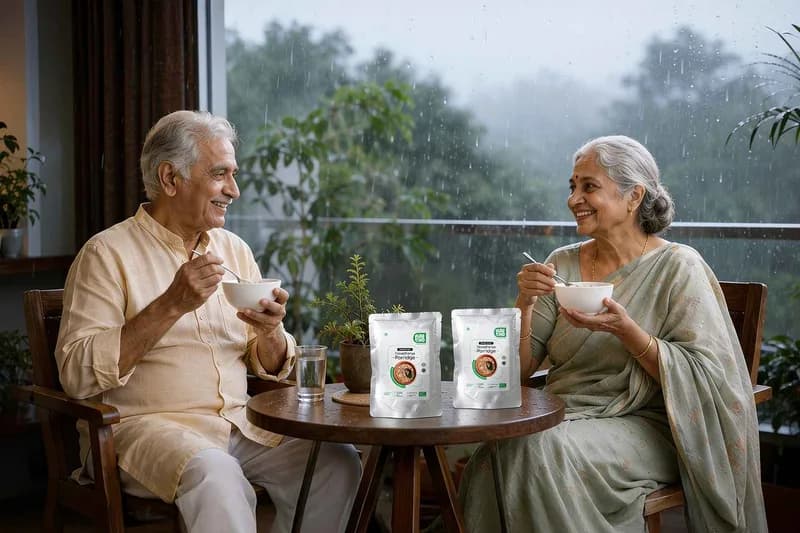
Kaicho's Navadhanya Porridge offers a convenient way to explore a traditional nine-grain-inspired meal. Refer to the product page for the specific ingredients and preparation instructions.
Conclusion
Karkidakam is a meaningful season in Kerala's cultural calendar, connecting traditional food practices with reflection and well-being. Navadhanya Kanji is one example of how combinations of grains and legumes have remained part of regional food traditions.
Whether prepared at home or chosen as a convenient packaged option, a varied grain-based porridge can be enjoyed as part of a balanced diet. This Karkidakam, explore the traditions behind Navadhanya Kanji and discover how familiar foods can continue to find a place in modern routines.
Related reading

Retort Technology Explained: How Kaicho Foods Keeps Healthy Meals Fresh, Safe, and Full of Taste
When you buy packed food, the first questions that come to mind are: Is it safe? Will it taste good? How long will it stay fresh? The answer to all these questions lies in something called retort technology. At Kaicho Foods, we use this modern method to make sure products like Navadhanya

Porridge and Gut Happiness: Why Simple Foods Like Navadhanya Kanji and Mixed Millet Porridge are the Best Food for Gut Health
In a world filled with fast food and complicated diets, sometimes the simplest meals are the most powerful. Porridge, or ‘ganji,’ has been trusted for centuries as a comfort food. It is light, filling, and easy on the stomach.
Do You Really Need Protein Powder? Here's the Truth
Do you need protein powder to stay fit or build strength? Discover when supplements may help, compare protein powder with natural food sources, and learn how to meet your daily protein needs with everyday Indian foods.
Eat well, the ready-to-eat way
Diabetic-friendly, gut-healthy porridges made with Japanese retort technology. Heat and eat in minutes.
Shop the range