

Do You Really Need Protein Powder? Here's the Truth
Do you need protein powder to stay fit or build strength? Discover when supplements may help, compare protein powder with natural food sources, and learn how to meet your daily protein needs with everyday Indian foods.
Do You Really Need Protein Powder? Here’s the Truth
Introduction
Walk into any gym today or scroll through social media, and you’ll notice one thing in common: protein powder is everywhere. From fitness influencers to beginners starting their wellness journey, protein shakes have almost become a daily ritual. But here’s the real question: do you actually need protein powder to stay healthy or build strength?
If you’ve ever wondered whether you’re missing out without supplements, you’re not alone. There’s a lot of confusion around protein powder vs. natural protein, especially in India, where traditional diets already include a variety of nutrient-rich foods.
This blog breaks down the myths, explains when protein powder is useful, and, most importantly, shows you how to get protein without protein powder—using simple, natural, everyday foods.
What Is Protein Powder and Who Is It For?
Protein powder is essentially a concentrated source of protein extracted from foods like milk, soy, peas, or rice. The most common types include:
Whey protein: Derived from milk.
Casein protein: A slow-digesting milk protein.
Plant-based protein powders: Made from ingredients such as pea, soy, and brown rice, or blends of these sources.
These supplements are designed to provide a quick and convenient protein boost, especially for people who have higher-than-average protein requirements.
Who Typically Needs It?
Protein powder may be useful for:
Professional athletes.
Bodybuilders.
People with very intense training routines.
Individuals with medical conditions affecting protein absorption.
For these groups, protein powder can help meet daily protein intake requirements efficiently.
However, here’s the truth most people overlook:
Protein powder is not necessary for the average person.
If you exercise moderately, walk regularly, or simply want to stay fit, your protein needs can usually be met through a balanced diet.
When Do You Actually Need Protein Supplements?
Let’s address this clearly, because this is where most of the confusion lies.
You may benefit from protein powder if:
1. You’re Doing Intense Strength Training or Bodybuilding
High-performance athletes often require significantly more protein than the average person, making supplements a convenient way to meet their increased needs.
2. You Have a Diagnosed Protein Deficiency
Certain medical conditions or dietary restrictions may require supplementation under professional guidance.
3. Your Daily Diet Is Consistently Low in Protein
If you struggle to include protein-rich foods because of your lifestyle, schedule, or food availability, supplements can help fill the gap.
But Here’s the Reality
Most people don’t fall into these categories.
For the majority, the question, “Is protein powder necessary for beginners?” has a simple answer:
No—it’s not required.
With proper meal planning and awareness, you can often meet your protein needs through natural protein sources in India.
Natural Protein Sources You Should Focus On
India already has a rich food culture filled with protein-rich, plant-based foods. You don’t need imported supplements when your kitchen already has a variety of nutritious ingredients.
1. Lentils and Pulses (Dal)
Lentils and pulses are everyday staples in Indian households and provide protein, fibre, and essential nutrients.
Some excellent options include:
Moong dal.
Toor dal.
Masoor dal.
Chana dal.
Including these foods in your regular meals is a simple way to increase your protein intake.
2. Chickpeas, Kidney Beans, and Legumes
Legumes are versatile, nutritious ingredients that can be included in a variety of everyday dishes.
Popular options include:
Chole (chickpeas).
Rajma (kidney beans).
Lobia (black-eyed peas).
These foods provide protein and fibre and can help you feel fuller for longer, supporting balanced eating habits and potentially helping with weight management.
3. Nuts and Seeds
Nuts and seeds are convenient additions to meals and snacks. They provide protein along with healthy fats and other nutrients.
Consider including:
Almonds.
Peanuts.
Flaxseeds.
Chia seeds.
They can be enjoyed as snacks, added to breakfast, or incorporated into other meals to improve their nutritional variety.
4. Millets – The Underrated Superfood
Millets like ragi, jowar, and bajra are gaining popularity again—and for good reason.
They offer several nutritional benefits:
They provide protein, although the amount varies by variety and serving size.
They contain dietary fibre.
They contribute minerals and other nutrients.
They provide carbohydrates that support the body's energy needs.
If you’re looking for natural alternatives to protein supplements, millets are a useful option to include in your daily diet, particularly when combined with protein-rich foods such as lentils and other pulses.
5. Dairy and Traditional Foods
Dairy products are excellent sources of high-quality protein, especially for vegetarians.
Some common options include:
Milk.
Curd (dahi).
Paneer.
These foods can be incorporated into breakfast, snacks, lunch, or dinner, depending on your preferences and dietary requirements.
6. Balanced Indian Meals
Sometimes, a balanced meal already provides a combination of essential nutrients, including protein.
For example:
Dal + rice + sabzi: A familiar combination of pulses, grains, and vegetables.
Roti + paneer + vegetables: A meal that combines protein, carbohydrates, fibre, and other nutrients.
The key is balance, not supplements.
By including a variety of foods in suitable portions, you can build a nutritious daily eating routine without automatically depending on protein powder.
Protein Powder vs. Natural Food – What’s Better?
Let’s break down the debate of protein powder vs. natural protein in a practical way.
1. Absorption and Digestion
Natural foods provide protein alongside other nutrients, including fibre in many plant-based foods, which supports digestive health.
Protein powders can sometimes cause bloating or digestive discomfort, depending on their ingredients, formulation, and an individual's tolerance. For example, some people may experience discomfort with lactose-containing whey products.
However, natural foods are not always easier for everyone to digest. Digestibility varies according to the food, preparation method, and individual needs.
2. Hidden Ingredients
Some protein powders contain:
Added sugars.
Artificial flavours.
Preservatives.
While these ingredients are not necessarily harmful in every case, frequent consumption of products with unnecessary added ingredients may not suit everyone's dietary goals.
Not all protein powders contain these ingredients, so it is important to check the label and choose products that meet your needs.
3. Satiety (Feeling Full)
Natural foods can help you feel full for longer because they often provide a combination of protein, fibre, fats, and other nutrients.
Protein shakes can be convenient, but they may not satisfy hunger in the same way as a complete meal, depending on their composition and serving size.
Choosing foods that help you feel satisfied can make it easier to maintain consistent eating habits and avoid unnecessary snacking.
4. Overall Nutrition
Natural foods often offer a broader range of nutrients alongside protein, including:
Vitamins.
Minerals.
Fibre.
Healthy fats.
Protein powder primarily provides concentrated protein, although some products also contain added vitamins, minerals, carbohydrates, or fats.
The Bottom Line
Whole foods are an important foundation for long-term health.
Protein powder can be useful, but it should not replace a balanced diet as the default approach to nutrition.
For many people, a varied diet that includes natural protein sources is a practical way to meet daily protein needs. Supplements can still have a place when convenience or individual requirements make them useful.
Simple Ways to Meet Your Daily Protein Needs Without Supplements
If your goal is to get protein without supplements, here are practical, easy-to-follow strategies you can incorporate into your everyday routine.
1. Plan Your Meals Smartly
Instead of focusing on one protein-heavy meal, distribute protein sources throughout your day.
For example:
Breakfast: Oats with nuts and seeds.
Lunch: Dal + roti + sabzi.
Snack: Roasted chana or peanuts.
Dinner: A paneer-based or legumes-based dish.
This approach helps you include protein across different meals rather than relying on a single food source.
2. Start Your Day with Protein
Many Indian breakfasts are centred on carbohydrate-rich foods. Small changes can help make them more balanced.
Try these ideas:
Add peanut butter to toast.
Include sprouts or boiled chana.
Choose millet-based options and pair them with protein-rich foods.
These simple additions can help improve the nutritional balance of your breakfast.
3. Include Plant-Based Protein Foods Daily
If you're vegetarian, focus on a variety of plant-based protein sources, including:
Lentils.
Beans.
Soy products.
Millets.
These foods can contribute to a vegetarian diet without supplements. For a higher protein intake, prioritise more concentrated sources such as pulses and soy foods, while using millets as part of a varied meal plan.
4. Choose Convenient, Ready Options
Busy schedules can make healthy eating difficult. This is where convenient, ready-to-eat foods can help.
When choosing packaged food options, look for products that:
Use familiar, clearly listed ingredients.
Provide nutritional information.
Fit your dietary preferences and nutritional needs.
Offer practical convenience without compromising your overall meal balance.
This approach supports consistency without making protein supplements the default solution.
5. Snack Smart
Instead of relying mainly on highly processed snacks, consider alternatives such as:
Roasted nuts.
Mixed seeds.
Protein-rich traditional snacks.
Small changes to your daily snack choices can contribute to your overall protein intake and help you build more consistent eating habits.
Final Thoughts: Do You Really Need Protein Powder?
Let’s simplify everything we’ve discussed.
Protein powder is not a necessity for most people.
If you:
Eat balanced meals.
Include natural protein sources.
Maintain a consistent routine.
You can often meet your protein needs without supplements.
The idea that everyone needs protein powder is largely driven by marketing and fitness trends rather than actual nutritional requirements. Your individual protein needs depend on factors such as age, body size, activity level, health status, and dietary intake.
Focus on What Truly Matters
Instead of chasing quick fixes, focus on:
Consistent eating habits.
Whole, nutritious foods.
Balanced nutrition.
Sustainable lifestyle choices.
These habits form a practical foundation for long-term health and well-being.
A Smarter, Simpler Way to Stay on Track
In today’s fast-paced lifestyle, preparing balanced meals every single day can be challenging. That’s where convenient food options can make a real difference.
This is where Kaicho comes in.
Kaicho Foods focuses on bringing back the goodness of traditional Indian nutrition, especially millet-based and grain-based foods that fit into modern lifestyles. Its product range offers convenient ways to enjoy traditional foods without spending hours on meal preparation.
Rather than relying solely on supplements, you can build a balanced routine around a variety of whole foods and convenient meal options. However, the protein contribution of any Kaicho product depends on its specific ingredients and nutritional composition, so check the product label when choosing foods specifically to increase your protein intake.
Whether you’re looking for:
Millet-based meals.
Protein-rich snack options.
Convenient, everyday healthy foods.
Kaicho aims to help you stay consistent with your diet without compromising on convenience or taste.
Make the Shift Today
Instead of automatically depending on protein powders, start by building your nutrition around natural, balanced foods.
Choose smarter alternatives.
Choose real ingredients.
Choose sustainable health.
Explore Kaicho’s range of wholesome products and make your daily nutrition simple, convenient, and sustainable.
Related reading
Retort Technology Explained: How Kaicho Foods Keeps Healthy Meals Fresh, Safe, and Full of Taste
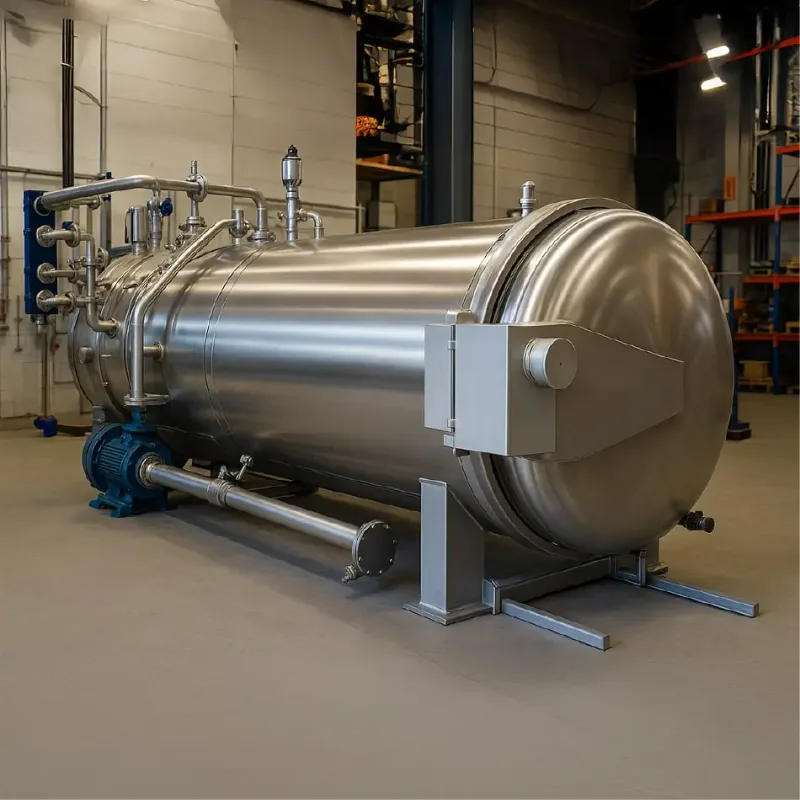
When you buy packed food, the first questions that come to mind are: Is it safe? Will it taste good? How long will it stay fresh? The answer to all these questions lies in something called retort technology. At Kaicho Foods, we use this modern method to make sure products like Navadhanya

Porridge and Gut Happiness: Why Simple Foods Like Navadhanya Kanji and Mixed Millet Porridge are the Best Food for Gut Health
In a world filled with fast food and complicated diets, sometimes the simplest meals are the most powerful. Porridge, or ‘ganji,’ has been trusted for centuries as a comfort food. It is light, filling, and easy on the stomach.

Struggling to Get Enough Protein? Here’s the Simple Fix
Discover common signs of inadequate protein intake, explore affordable vegetarian protein sources, and learn simple ways to add more protein to everyday Indian meals without relying on supplements.
Eat well, the ready-to-eat way
Diabetic-friendly, gut-healthy porridges made with Japanese retort technology. Heat and eat in minutes.
Shop the range